
All Yono Games App: A Practical Guide to Browsing Android Game Catalogs
If you have spent any time searching for Android games outside the usual app stores, you have probably run into the phrase All Yono Games App. It is one of those search terms that pops up again and again, usually followed by a confusing mix of download pages, mirrored listings, and half-finished blog posts. The truth is simpler than the noise suggests: this is a catalog-style topic, not a single magical download. Understanding how these listings are organised makes the whole experience far less frustrating.
This guide walks through what the term actually covers, how catalog sites structure their entries, what details you should check before opening any package, and how to compare versions and sizes without wasting mobile data. It is written for everyday Android users in India who want a clear, practical overview rather than hype.
What the Term Actually Refers To
When people search for this phrase, they are usually looking for a collection of Android game packages that share a common naming style. These are not distributed through a single official storefront. Instead, they appear across a wide range of catalog and listing websites, each maintaining its own index of entries.
Because there is no central authority, the same game title can appear in slightly different forms on different sites. One listing might show version 1.4, another version 1.6, and a third might not mention a version at all. File sizes vary too, sometimes because of genuine updates and sometimes because of how the package was repacked. This is exactly why catalog sites that display package details in a structured way are more useful than random download pages.
A good catalog does not just give you a button. It gives you context: the app name, the version number, the approximate file size, and a short note about where the listing came from. That context is what lets you make a sensible decision before you commit storage space or bandwidth.
Why Catalog Browsing Beats Blind Downloading
Blind downloading is how most people end up with a phone full of half-working apps. You tap a link, wait for a file, install it, and then discover it either does not open, asks for strange permissions, or crashes on the loading screen. Catalog browsing flips that process around. You review the entry first, compare it against alternatives, and only then decide whether it is worth your time.
This approach has three practical benefits:
Storage control. Android phones fill up quickly. Seeing the file size before downloading means you can avoid grabbing a 400 MB package when a 90 MB alternative would do the same job on your device.
Version clarity. Older versions sometimes run better on older hardware. If a listing clearly states the version, you can choose one that matches your phone rather than guessing.
Source awareness. Catalog sites that include source notes give you a rough idea of where an entry came from. That transparency is far more useful than an anonymous mirror link.
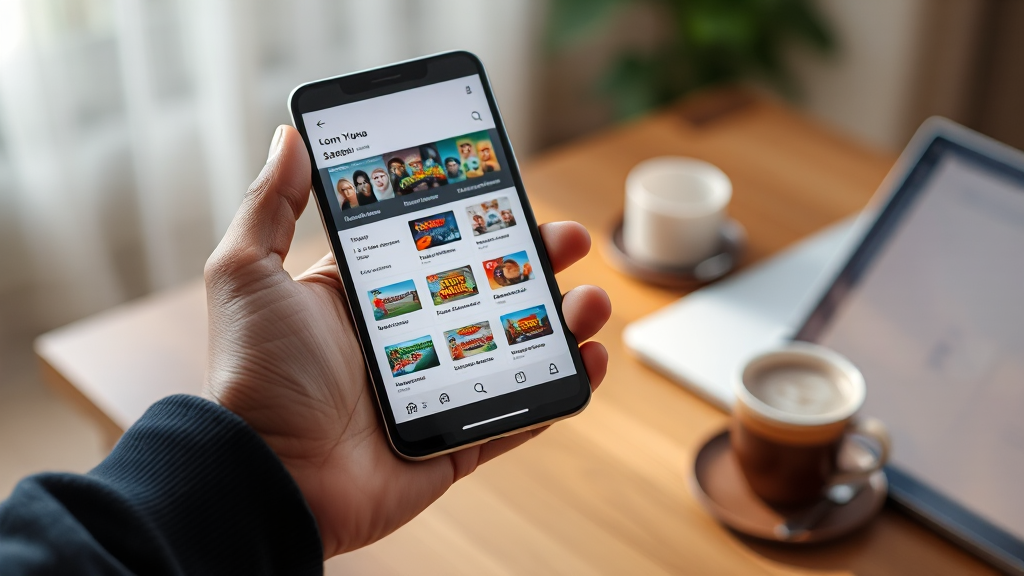
Sites built around this model, such as AA Games Hub, tend to organise entries into browsable sections so you can scan a grid of options instead of clicking through endless redirect pages. The value is in the structure, not in any single download.
Reading a Game Listing Properly
Most people glance at a listing for two seconds and hit download. That is a mistake. A well-built entry contains several pieces of information that matter, and reading them takes less than a minute.
Start with the app name and version. If the version is missing, treat that as a yellow flag. Next, look at the file size. Compare it to similar games you have installed before. A sudden jump in size often signals added assets, but it can also mean bundled extras you did not ask for.
Then check the package details. On Android, the package name is the internal identifier of an app. Two listings with the same visible name but different package names are not the same app, even if they look identical on the surface. This is one of the most overlooked details in catalog browsing.
Finally, read any source notes. These are short annotations that explain where the listing came from or how it was prepared. They are not legal guarantees, but they do help you understand what you are looking at.
Version and Size Comparison in Practice
Comparison is where catalog browsing pays off. Suppose you find three entries for the same game title. One is version 1.2 at 85 MB, one is version 1.5 at 140 MB, and one is version 1.7 at 210 MB. Which one should you pick?
The newest version is not automatically the best choice. Newer builds often add features, but they also add requirements. If your phone has limited RAM or an older chipset, the lightweight 1.2 build may run more smoothly. If you have a modern device and plenty of storage, the 1.7 build gives you the fullest experience.
Size also affects download time and data usage. On a metered mobile connection, a 210 MB package can eat a noticeable chunk of your daily allowance. Checking the size first lets you plan the download for a Wi-Fi session instead.
This is why side-by-side comparison matters more than any single listing. A catalog that lays out version and size information clearly turns a guessing game into a straightforward decision.
Installing Sideloaded Packages Safely
Android allows installation from sources outside the Play Store, but it does not make that process risk-free. A few habits go a long way toward keeping your device stable.
Enable unknown sources only when needed. Modern Android versions let you grant this permission per app rather than globally. Grant it to your file manager or browser, install what you need, then revoke it.
Scan files before installing. Most phones have a built-in security scan, and many antivirus apps offer a manual file check. Running it takes seconds.
Check permissions after installation. If a simple puzzle game asks for access to your contacts and SMS, that is a warning sign. Legitimate games rarely need those permissions.
Keep a backup of working versions. If a new update breaks the app on your device, having the previous version saved means you can roll back without hunting for it again.
None of this is complicated, but it does require a moment of attention. Catalog browsing encourages exactly that kind of attention because you are already reading details before you download.
What to Look for in a Catalog Site
Not all catalog sites are built the same way. Some are clean, structured, and genuinely helpful. Others are cluttered pages designed to push you toward a single button. Here are the qualities that separate the useful ones from the rest.
Clear package information. A good listing shows the app name, version, and size without making you scroll through ads to find them.
Consistent formatting. When every entry follows the same layout, you can compare entries quickly instead of re-learning the page each time.
Source notes. Even a short note about where an entry came from adds a layer of transparency that anonymous mirrors lack.
Age gating where appropriate. Some catalogs include sections that are restricted to adult users. A proper 18+ gate is a sign that the site takes its responsibilities seriously rather than mixing everything together.
Simple navigation. Hub, catalog, blog, about, and contact sections are standard for a reason. They let you find what you need without hunting through menus.
When a site ticks these boxes, browsing becomes a genuinely useful activity rather than a chore.
Common Mistakes to Avoid
Even experienced Android users fall into the same traps. Avoiding them saves time and storage.
Downloading the first result. The top listing is not always the best match for your device. Compare before you commit.
Ignoring version numbers. Installing an outdated build can cause compatibility issues that a newer or older version would not have.
Skipping the size check. Large downloads on mobile data are a common source of frustration.
Trusting identical names. The same game name can hide different packages. Always check the package details.
Installing everything at once. Install one app, test it, and only then move on to the next. This makes it easy to identify which app caused a problem if something goes wrong.
Frequently Asked Questions
Is there one official app for this whole collection?
No. The term describes a broad category of Android game listings rather than a single official application. Different catalog sites maintain their own indexes, so the same title can appear in multiple places with different version and size details.
Why do file sizes differ between listings?
Sizes differ because of genuine updates, different build configurations, or how a package was prepared. A newer version with added content is naturally larger, while a stripped-down build may be smaller. Always compare sizes before downloading on a metered connection.
Are older versions worth keeping?
Often, yes. Older builds can run more smoothly on devices with limited RAM or older chipsets. Keeping a backup of a version that works well on your phone is a practical habit, especially before you install an update.
What details should I check before installing?
Check the app name, version number, file size, package name, and any source notes. These five pieces of information tell you whether the listing matches your device and expectations. Skipping them is the most common cause of installation problems.
How do I browse these catalogs more efficiently?
Use a catalog site that presents entries in a consistent grid with visible package details. That layout lets you scan and compare quickly instead of opening each listing one by one. Structured browsing saves both time and mobile data.
Final Thoughts
The phrase covers a wide and loosely organised corner of the Android ecosystem. There is no single source of truth, no universal version, and no one-size-fits-all download. What exists instead is a network of catalog sites that vary enormously in quality.
The practical approach is straightforward: browse before you download, compare versions and sizes, read the package details, and install carefully. Do that, and the whole experience becomes far less chaotic. Whether you are exploring out of curiosity or looking for a specific build, treating these listings as catalog entries rather than magic buttons is the single most useful mindset shift you can make.

Leave a Reply